IC-AMESF 2026
International Conference on Advanced Materials & Engineering for Sustainable Future
February 25-26, 2026

February 25-26, 2026
The International Conference on Advanced Materials & Engineering for Sustainable Future is a premier academic and industry-focused gathering dedicated to exploring the latest advancements in materials science, engineering innovations, and sustainable technologies. The conference aims to serve as a global platform where researchers, academicians, industry experts, policymakers, and young innovators come together to exchange knowledge, foster collaborations, and address the pressing challenges of sustainability.
In an era where resource efficiency, environmental responsibility, and technological innovation are paramount, advanced materials and engineering solutions play a vital role in shaping a sustainable future. This conference will highlight cutting-edge research in areas such as nanomaterials, composites, biomaterials, smart and functional materials, renewable energy technologies, green manufacturing, and sustainable engineering practices.
Participants will gain the opportunity to engage in thought-provoking keynote lectures, and technical paper presentations led by renowned experts from across the domains. By bridging the gap between scientific discovery and practical application, the conference seeks to inspire innovative solutions that contribute to environmental preservation, economic growth, and societal well-being.
The double-blind peer-review process will be adopted for IC-AMESF 2026, organised by IILM University, Greater Noida to ensure the highest standards of academic integrity, fairness, and objectivity. In this system, both the authors and reviewers remain anonymous throughout the evaluation process. This structure eliminates potential biases related to identity, institution, nationality, seniority or reputation.
Upon submission, each manuscript undergoes an initial editorial screening to verify relevance to conference themes, compliance with formatting guidelines, and originality using plagiarism-detection tools. Submissions that pass this stage are assigned to two or more expert reviewers who possess specialised domain knowledge.
Reviewers assess the manuscript based on:
Reviewers shall provide detailed, constructive feedback, including suggestions for improvement, clarification of concepts, corrections, and recommendations regarding acceptance, revision, or rejection.
Author identities are not disclosed to reviewers, and reviewers' identities remain concealed from authors. Revised manuscripts undergo further scrutiny until they meet scientific and ethical standards. Only papers that successfully pass this rigorous double-blind process are considered for publication and may be forwarded to partnering publication outlets, including CRC's prestigious imprint under CRC Press, subject to final approval.
This review system safeguards academic fairness and promotes high-quality research dissemination.
IC-AMESF 2026 is committed to maintaining the highest standards of publication ethics and professional responsibility. The conference follows internationally accepted guidelines to prevent unethical practices, academic misconduct, and compromise of scientific integrity.
Authors must ensure that:
Any detected malpractice—fabrication, falsification of data, duplicate submission, or uncredited use of others' work—results in immediate rejection.
Reviewers must:
Editors must:
The conference adheres to global ethical guidelines to ensure that the proceedings and associated publications meet the highest academic standards. Any publication in collaboration with international publishers—including those aligned with CRC's academic imprint—must comply with strict ethical protocols. The organising committee reserves the right to reject or remove any paper found violating ethical or scientific norms.
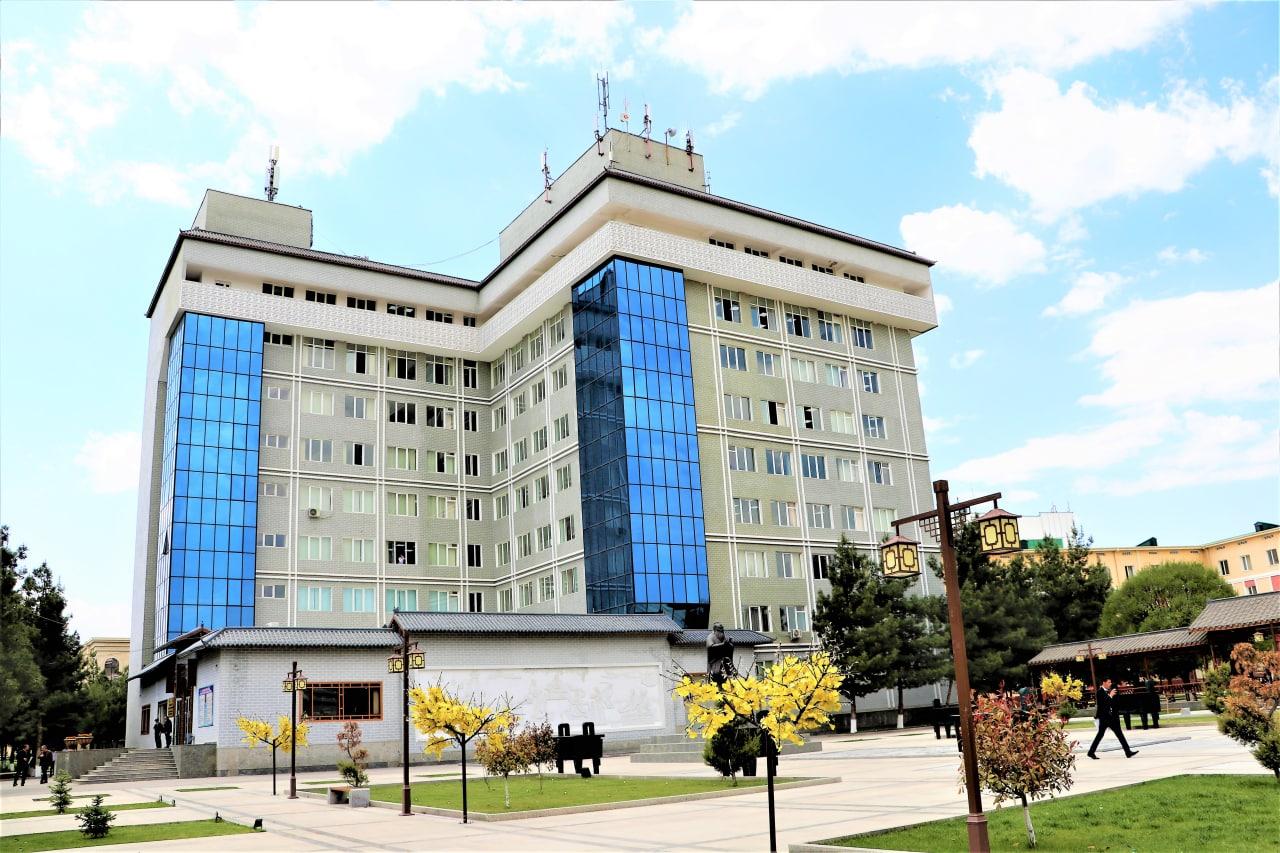
Samarkand State University
Uzbekistan
Samarkand State University, Uzbekistan
Samarkand State University, Uzbekistan, officially founded in 1927 but rooted in the 600-year legacy of the Mirzo Ulughbek Madrasa, is one of Uzbekistan's oldest and most renowned institutions. It has evolved through several historical stages and now comprises 7 faculties, 4 institutes, and 59 departments offering 72 programs. The university serves nearly 17,000 undergraduate and 700 graduate students, supported by around 900 faculty members and extensive research opportunities.
The aim of the “International Conference on Advanced Materials & Engineering for Sustainable Future (IC-AMESF 2026)” is to bring together leading researchers, academicians, industry professionals, and policymakers from around the world to share knowledge, innovations, and advancements in the scientific and technical domains. The conference seeks to focus to address global challenges via sustainable practices, advanced technologies, and interdisciplinary collaboration and pave the way for a sustainable and technologically advanced future.
Submission of full Paper starts
Abstract Submission Deadline
Abstract Acceptance Notification
Registration Deadline
Conference Dates